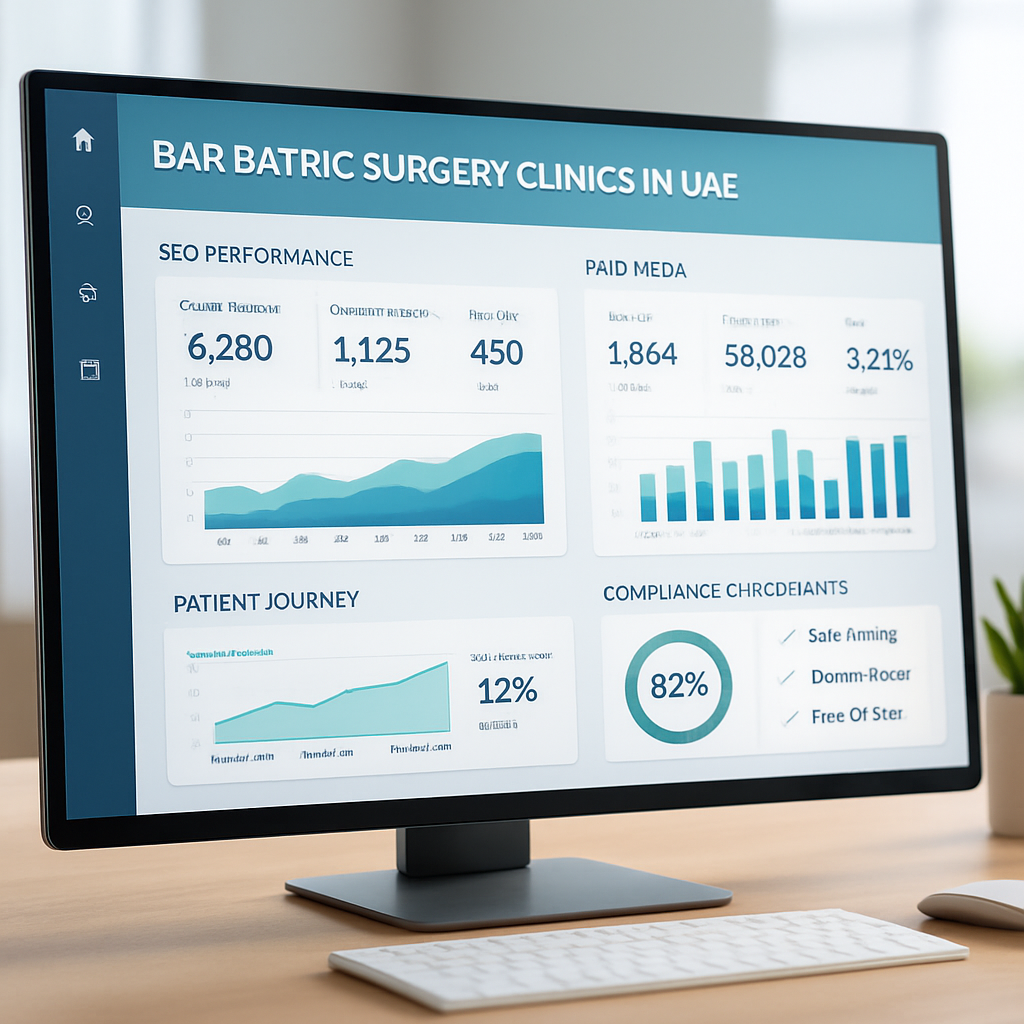
What is SEO and How Does it Work for Healthcare?
Search Engine Optimisation (SEO) is the process of enhancing a website’s visibility on search engines like Google. For healthcare providers, this means ensuring that potential patients can easily find their services when searching for medical information or providers online. SEO is crucial in healthcare because it drives organic traffic, which is often more valuable than paid traffic. Patients typically trust organic results more, leading to higher engagement and conversion rates.
In the healthcare sector, effective SEO strategies can significantly impact patient acquisition and retention. By optimising website content with relevant keywords, healthcare providers can attract individuals seeking specific medical services. For instance, a local clinic that optimises for “family doctor in [location]” can appear in search results when families look for healthcare providers nearby. This targeted approach not only increases visibility but also builds trust with prospective patients.
SEO works by improving various elements of a website, including content quality, site structure, and user experience. Search engines use complex algorithms to rank websites based on relevance and authority. By focusing on SEO, healthcare providers can ensure they rank higher in search results, ultimately driving more traffic to their sites and increasing patient inquiries.
What are Google Ads and How Do They Function?
Google Ads is an online advertising platform that allows businesses to create ads that appear on Google’s search results and other affiliated sites. For healthcare providers, Google Ads offers a way to reach potential patients who are actively searching for medical services. The platform operates on a pay-per-click (PPC) model, meaning that advertisers only pay when someone clicks on their ad.
The benefits of Google Ads for healthcare are numerous. Firstly, it provides immediate visibility; once an ad is set up, it can start appearing in search results almost instantly. This is particularly advantageous for new practices or those launching new services. Additionally, Google Ads allows for precise targeting based on keywords, demographics, and geographical locations, ensuring that the ads reach the right audience.
For example, a dental clinic can create ads targeting keywords like “emergency dentist near me” or “teeth whitening services.” This targeted approach can lead to higher conversion rates, as the ads are shown to individuals actively seeking those specific services. Furthermore, Google Ads offers detailed analytics, allowing healthcare providers to track the performance of their campaigns and make data-driven decisions to optimise their advertising efforts.
SEO vs Google Ads: Which is More Effective for Healthcare?
When comparing SEO and Google Ads, it’s essential to consider their unique benefits and limitations. SEO provides long-term benefits, as a well-optimised website can continue to attract organic traffic over time without ongoing costs per click. This means that once a healthcare provider achieves a good ranking, they can enjoy sustained visibility without additional investment.
On the other hand, Google Ads offers short-term advantages by generating immediate traffic. This can be particularly useful for time-sensitive promotions or new service launches. However, the costs can add up quickly, especially in competitive markets. Healthcare providers must weigh the cost-effectiveness of these two strategies, considering their budget and marketing goals.
In terms of cost-effectiveness, SEO generally requires a more significant upfront investment in content creation and optimisation but can yield a higher return on investment (ROI) over time. Conversely, Google Ads can provide quick results but may not be sustainable in the long run if the budget is limited. A balanced approach, leveraging both SEO and Google Ads, may be the best strategy for many healthcare providers, allowing them to benefit from immediate visibility while building a strong organic presence.
What are the Costs Involved in SEO and Google Ads?
The costs associated with SEO services can vary significantly based on the complexity of the project and the expertise of the agency or consultant. Typically, healthcare providers can expect to invest anywhere from £500 to £5,000 per month for comprehensive SEO services. This investment covers keyword research, content creation, technical SEO, and ongoing optimisation efforts.
On the other hand, the average budget for Google Ads can range from £500 to £5,000 per month, depending on the competitiveness of the keywords targeted and the geographical area served. For instance, a healthcare provider targeting high-demand services in a metropolitan area may need to allocate a larger budget to remain competitive.
When comparing costs, it’s crucial to consider the potential ROI of each method. While SEO may have a higher initial investment, its long-term benefits can lead to more sustainable traffic and patient acquisition. In contrast, Google Ads can provide immediate results but may require continuous funding to maintain visibility. Healthcare practices should evaluate their financial resources and marketing objectives to determine the most suitable approach for their needs.
How to Measure Success: SEO vs Google Ads
Measuring the success of SEO and Google Ads involves tracking specific key performance indicators (KPIs) that reflect the effectiveness of each strategy. For SEO, essential metrics include organic traffic, keyword rankings, and conversion rates. Tools like Google Analytics can provide insights into how many visitors are arriving through organic search and how many of those visitors are converting into patients.
For Google Ads, key metrics to monitor include click-through rates (CTR), cost per click (CPC), and overall conversion rates. Google Ads provides detailed analytics that allows healthcare providers to see which ads are performing well and which may need adjustments. Tracking ROI is crucial for both methods; for SEO, this can be calculated by comparing the cost of SEO services against the revenue generated from new patients. For Google Ads, ROI can be assessed by comparing the ad spend to the revenue generated from conversions.
By regularly monitoring these metrics, healthcare providers can make informed decisions about their marketing strategies, optimising their efforts to maximise patient acquisition and retention. Understanding the performance of both SEO and Google Ads will help practices allocate their resources more effectively, ensuring they achieve their marketing goals.
Common Mistakes to Avoid in Healthcare Marketing
Healthcare providers often make several common mistakes in their marketing efforts that can hinder their success. One significant oversight is overlooking local SEO. Many patients search for healthcare services within their vicinity, so failing to optimise for local search can result in lost opportunities. Ensuring that practice information is accurate and consistent across online directories is crucial for local SEO.
Another frequent mistake is mismanaging Google Ads budgets. Without proper monitoring, costs can spiral out of control, leading to wasted ad spend. Healthcare providers should set clear budgets and regularly review their ad performance to ensure they are getting the best return on investment.
Additionally, ignoring compliance regulations can have serious consequences. Healthcare marketing must adhere to guidelines set by regulatory bodies such as the CQC, ASA, and GMC. Ensuring that all marketing materials are compliant not only protects the practice but also builds trust with potential patients.
Case Studies: Successful Healthcare Marketing Strategies
One notable example of a successful SEO campaign in healthcare is a small dental practice that focused on optimising its website for local search terms. By creating informative blog posts about common dental procedures and targeting keywords like “family dentist in [location],” the practice saw a 50% increase in organic traffic within six months. This increase translated into a significant rise in patient inquiries, demonstrating the effectiveness of a targeted SEO strategy.
In contrast, a cosmetic surgery clinic implemented a Google Ads campaign targeting keywords related to specific procedures. By carefully managing their budget and focusing on high-intent keywords, the clinic achieved a 30% conversion rate on their ads. This success highlighted the potential of Google Ads to drive immediate traffic and patient inquiries, particularly for time-sensitive services.
Both cases illustrate the importance of tailoring marketing strategies to the specific needs of the healthcare sector. By leveraging both SEO and Google Ads, healthcare providers can maximise their reach and effectiveness in attracting new patients.
Compliance Considerations for Healthcare Marketing
Compliance is a critical aspect of healthcare marketing that cannot be overlooked. The Care Quality Commission (CQC) and the Advertising Standards Authority (ASA) set forth regulations that healthcare providers must adhere to in their marketing efforts. These regulations ensure that advertising is truthful, not misleading, and does not exploit vulnerable patients.
Additionally, guidelines from the General Medical Council (GMC) and the Dubai Health Authority (DHA) provide specific instructions on how healthcare services can be marketed. It’s essential for healthcare providers to stay informed about these regulations and ensure that all marketing materials comply with them to avoid penalties and maintain patient trust.
Best practices for compliant marketing include being transparent about services offered, avoiding sensational claims, and ensuring that all patient testimonials are genuine and not misleading. By prioritising compliance, healthcare providers can build a reputable brand that patients can trust.
Conclusion: Choosing the Right Strategy for Your Healthcare Practice
In summary, both SEO and Google Ads have distinct advantages and can play vital roles in a healthcare provider’s marketing strategy. SEO offers long-term benefits through organic traffic, while Google Ads provides immediate visibility and targeted reach. The best approach often involves a combination of both strategies, tailored to the specific needs and goals of the practice.
Healthcare providers should evaluate their marketing needs, budget, and patient demographics to determine the most effective strategy. By understanding the strengths and weaknesses of each method, practices can create a balanced marketing plan that maximises patient acquisition and retention.
If you’re unsure which strategy is right for your healthcare practice, consider booking a discovery call to discuss your options and develop a tailored marketing plan.
Frequently Asked Questions
What is the main difference between SEO and Google Ads?
SEO focuses on organic traffic, while Google Ads is paid advertising. SEO enhances website visibility through optimisation, whereas Google Ads allows for immediate visibility through paid placements.
How long does it take to see results from SEO?
Typically, it takes 3-6 months to see significant results from SEO efforts, as it requires time to build authority and improve rankings.
What are the costs associated with Google Ads?
Costs can vary widely, but average budgets range from £500 to £5,000 per month, depending on competition and targeted keywords.
Is SEO worth the investment for healthcare providers?
Yes, SEO can provide long-term benefits and sustainable traffic, making it a worthwhile investment for healthcare providers.
How do I choose between SEO and Google Ads?
Consider your budget, timeline, and marketing goals to make an informed decision. A combination of both may often yield the best results.